1. Assess and make the area safe
The crew looks at what is on the property, keeps people and pets away and puts on protective gear before touching anything.
Hood River, OR · Hood River County
Used needles, bloody bandages or a full sharps box can leave a property owner unsure what to do next. In Hood River, call (877) 812-4220 and describe what you have. Pickup, hauling and disposal can all be handled for you.
If anyone is in danger, call 911 first. For a suicide crisis, call or text 988.
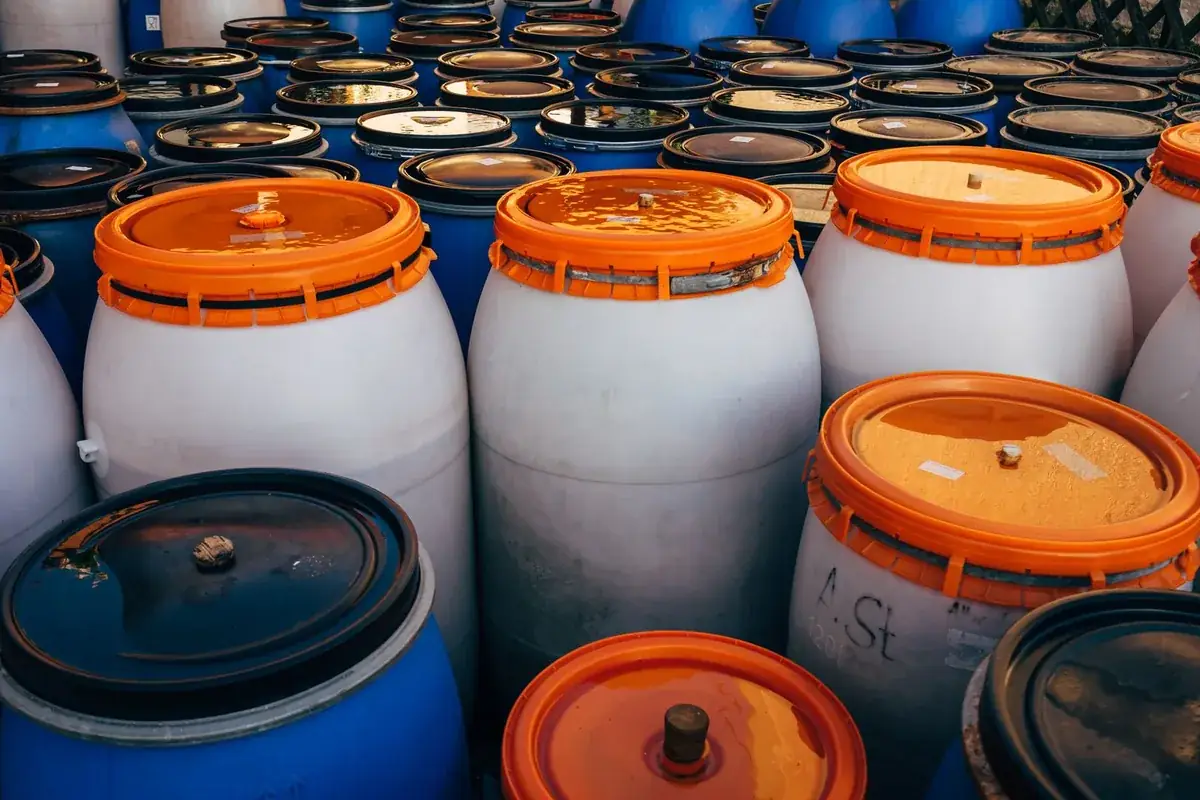
Medical waste includes needles, syringes, lancets, saturated dressings and clinical waste from a practice or care setting. Removal protects the people who live, work or collect trash nearby.
If you are dealing with a loved one's supplies in Hood River or elsewhere in Hood River County, you can get calm, step-by-step medical waste removal from Hood River Biohazard Cleanup Help. Crews take care of the sorting, packing and hauling, and you decide what else needs attention.
About 52% of residents in Hood River are seniors who live alone, so a relative often has to clear medical supplies from a home after a move or a loss. Tell the doctor where the exposure happened. The nearest emergency room for Hood River is Providence Hood River Memorial Hospital in Hood River.
A typical medical waste removal job includes:
The crew looks at what is on the property, keeps people and pets away and puts on protective gear before touching anything.
Sharps go into puncture-resistant containers. Soaked items are bagged, sealed and labeled so nothing leaks during transport.
Everything leaves the property together. Disposal follows the rules for regulated medical waste in Oregon.
The crew checks the space, wipes down affected surfaces and confirms with the owner that everything has been taken.
The cost of medical waste removal in Hood River, OR depends on the amount of material, how it is packed and how it is hauled.
Mixed waste takes longer to sort. When sharps, soaked items and ordinary trash are jumbled together, the crew has to separate them with care.
| Type of job | Typical range |
|---|---|
| Small physician practice | $75 - $200 per month |
| Regulated medical waste | $0.30 - $0.80 per pound |
| Medical waste disposal | $2 - $20 per pound |
| Dental office | $50 - $175 per month |
These ranges come from published cost guides (MedPro Disposal, Fixr) and are not a quote for Hood River. Price drivers include weight of waste, type of waste, how often pickup happens, container and transport fees. For a real number, call (877) 812-4220.
The price depends on the amount and type of waste, the number of containers, any spill cleanup, travel and access. A cleanup team can give a price after hearing the details. Ask what is included, such as disinfecting the area and disposal records.
A small pickup can be quick, while rooms of mixed waste or a spill cleanup take longer. The time depends on the amount of waste, access to the property and whether surfaces need cleaning. A cleanup team can give a realistic idea once it hears the details.
It can be. A bandage soaked or dripping with blood may carry bloodborne pathogens, and handling it carelessly can expose skin or eyes. A lightly stained one is a smaller concern. If you are unsure, use gloves, bag it, and ask a cleanup team or the local health department what to do.
Needles and soaked items should not go in household trash. They can injure sanitation workers and spread germs. Rules for small household amounts of sharps vary by city and county, so the local health department can say what applies. A cleanup team can take anything larger or anything from another person's care.
Sometimes. Some homeowners and renters policies cover cleanup after a covered event, and some do not. Call your insurance company before work starts, take photos if you can, and keep every receipt. Check your policy rather than assuming it will pay.
They are germs that spread through blood and some other body fluids. Hepatitis B, hepatitis C and HIV are examples. Workers who may come into contact with them are covered by the OSHA Bloodborne Pathogens Standard, 29 CFR 1910.1030.
Tell the team what the waste is and where it is, and it will explain the next step.
Call (877) 812-4220